DJI Mini 4 Pro Battery Guide: Flight Time, Charging and Compatibility
The Mini 4 Pro pack is not shared with every other Mini. Here is the exact compatibility picture, the real flight times, and the charging setup that makes sense.
The Mini series is where most pilots start, and also where the most battery confusion happens: “Mini battery” is not one product. A Mini 4 Pro pack is a different shape and connector from a Mini 2 pack, and mixing them up is the most common compatibility mistake we see.
The Mini 4 Pro battery at a glance
Two packs fit the same battery bay: the standard pack DJI ships with the aircraft, and the extended “Plus” capacity pack. We stock the extended version, because that is the one pilots buy as a spare — if you already own a standard pack, the extended one gives you the longer flight on the same bay.
| Specification | Standard pack | Extended pack (the one we stock) |
|---|---|---|
| Capacity | 2590 mAh | 3850 mAh |
| Voltage | 7.7 V | 7.38 V |
| Energy | 19.9 Wh | 28.41 Wh |
| Net weight | about 121 g | about 142 g |
| Rated flight time | up to 34 minutes | up to 45 minutes on a Mini 4 Pro |
| Fits | Mini 4 Pro, Mini 3 Pro, Mini 3 | Mini 4 Pro, Mini 3 Pro, Mini 3 |
| Cycle figure (supplier spec) | 800+ cycles to 80% | 800+ cycles to 80% |
| Sub-249 g take-off weight | Yes — the aircraft stays under 249 g | No — the aircraft exceeds 249 g with the extended pack |
The same bay is used across three aircraft, so the extended pack lifts the rated time to 45 minutes on a Mini 4 Pro, 47 on a Mini 3 Pro and 51 on a Mini 3. The trade-off is weight: the extended pack puts the aircraft over the 249 g line, which matters in jurisdictions where that line decides whether you need registration or a flyer ID. Both facts belong on the same page rather than in a footnote — see [the 249 g section below](#weight) and our firmware compatibility page for the other half of the compatibility picture.
Real-world flight time
The rated 34 or 45 minutes is measured in the most favourable conditions the manufacturer can find. Real numbers depend heavily on how you fly:
- Hover in still air at 20 °C: 30–32 minutes on the standard pack, around 40 on the extended pack. This is the closest you will get to the rated figure.
- Normal cinematic flying: 24–28 minutes on standard, 32–36 extended, with the low-battery warning arriving around the 20-minute mark.
- Windy conditions or aggressive sport mode: 18–22 minutes on standard, 25–30 extended, and voltage sag can bring the warning forward further.
- Cold weather (below 5 °C): expect 15–20 minutes on standard unless you warm the pack before take-off.
For planning, treat 22 minutes as your usable figure on a standard pack and about 30 on the extended pack. Everything above that is a bonus — and if you want the arithmetic on what each pack costs per flight hour, it is worked through in the OEM vs third-party comparison.
Compatibility — the part that matters
These drones share the same battery format, so a pack bought for one will fit the others in the same column:
| Battery format | Fits these aircraft | Not compatible with |
|---|---|---|
| Mini 4 Pro / Mini 3 pack (2590 mAh standard · 3850 mAh extended) | Mini 4 Pro, Mini 3, Mini 3 Pro | Mini 2, Mini SE, Mini 4K |
| Mini 2 pack (2250 mAh standard · 2400 mAh upgraded) | Mini 2, Mini 2 SE, Mini SE, Mini 4K | Mini 3, Mini 3 Pro, Mini 4 Pro |
Always match by generation, not by the word “Mini”. If you are unsure, the model number on your existing pack label is definitive.
Charging options
1. The included single charger
Slow but simple — roughly 56 minutes per pack on a 30 W supply. Fine for one battery, painful for a three-pack kit.
2. The two-way charging hub
Charges packs sequentially and lets you top up a phone or controller from a charged pack. This is the best-value upgrade for a Mini pilot, because it turns three packs into a full day of flying without a car charger.
3. The 100 W multi-port hub
Charges three packs at the same time with active cooling, and includes a 100 W USB-C PD port. It is overkill for a single Mini, and exactly right if you own several drones or shoot commercially.
4. In the field
Field top-ups are a different problem from charging at home: a car’s 12 V socket cannot deliver enough current for a fast charge, and inverters cut out under load. If a shoot runs several days, the better answer is usually one extra pack kept warm in the car and rotated alongside the others, rather than a fifth and sixth pack ageing unused on a shelf.
How many batteries do you actually need?
| Use case | Packs | Why |
|---|---|---|
| Weekend hobby flying | 2 | About 45 minutes of flight — usually a full outing |
| Travel and vlogging | 3 | Covers a full day of short takes without field charging |
| Client work / surveys | 5–6 packs | Continuous operation with rotation and in-field top-ups |
| Training fleet | 2 per drone | Pairs keep charging cycles even and predictable |
Third-party packs for the Mini 4 Pro
A third-party pack for the Mini 4 Pro is around 40% cheaper than the OEM equivalent — including 3850 mAh extended versions that fly up to 45 minutes. Three things to verify before you buy:
- The percentage reading in the DJI Fly app is accurate through the whole discharge curve, not just at the top.
- Cell voltage spread stays under 0.05 V at rest.
- The pack is the Mini 3 / Mini 4 Pro format — not the Mini 2 format. If you buy an extended pack, expect the aircraft to exceed 249 g.
Get those right and you can run a three-pack kit for the price of two OEM packs, with the OEM pack kept aside for warranty service on the aircraft.
Winter flying with the Mini 4 Pro
Cold is the Mini’s worst enemy, because the pack is small and has little thermal mass. Warm the pack in an inside pocket before take-off, take off with at least 90% charge, and expect to land earlier than usual. Do not fly a cold pack below 20% — the voltage sag in cold conditions is exactly what triggers an unplanned auto-land.
The 249 g question, answered honestly
The Mini 4 Pro is sold as a sub-250 g aircraft, and in a lot of countries that single number decides whether you need to register the drone and sit a flyer-ID test. The standard pack is part of how the aircraft stays under the line. The extended pack is heavier, and with it fitted a Mini 4 Pro — and a Mini 3 Pro — goes over 249 g.
- If sub-250 g matters where you fly, keep a standard pack for those flights and use the extended pack elsewhere.
- The pack does not make the aircraft unsafe; the weight limit is a registration and compliance threshold, not a performance limit.
- A Mini 3 with the extended pack is a different case from a Mini 4 Pro. Check your own country’s rule, because the thresholds and the exemptions differ.
- We would rather state this on the product page than have you discover it at a registration portal. It is also why our model pages carry the warning explicitly.
One more compatibility note that catches people out: the DJI Fly app will let you arm the aircraft and fly with a heavier pack, because it checks battery health, not your local registration rules. That responsibility is yours, and it is the reason this section exists rather than a footnote further up the page.
Which Mini pack should you buy?
| Your situation | Buy this | Why |
|---|---|---|
| You own a Mini 4 Pro and want maximum flight time | Extended 3850 mAh pack | Up to 45 minutes rated — roughly a third more air time than the standard pack |
| You need to stay under 249 g | Standard 2590 mAh pack | The extended pack puts the aircraft over the registration threshold |
| You own a Mini 3 or Mini 3 Pro | The same extended pack | Identical bay and connector — 47 minutes on a Mini 3 Pro, 51 on a Mini 3 |
| You own a Mini 2, Mini 2 SE or Mini 4K | Mini 2-format 2400 mAh pack | Different shell and connector; a Mini 3 / 4 pack will not seat |
| You want a charging setup for three packs | Two-way hub or 100 W multi-port hub | Sequential charging turns three packs into a full day without mains power |
If you are still unsure, email us the model exactly as it is printed on the aircraft arm or the existing battery label. Generation, not series name, is the thing that decides which pack fits — and it is the single most common mistake in this corner of the market. Full specs, the supplier spec card and the current price for the extended pack are on the Mini 4 Pro extended battery page.
Products mentioned in this guide
Third-party universal packs, priced at 60% of DJI official — 12-month warranty, free express shipping over $99 in most markets.
 Universal
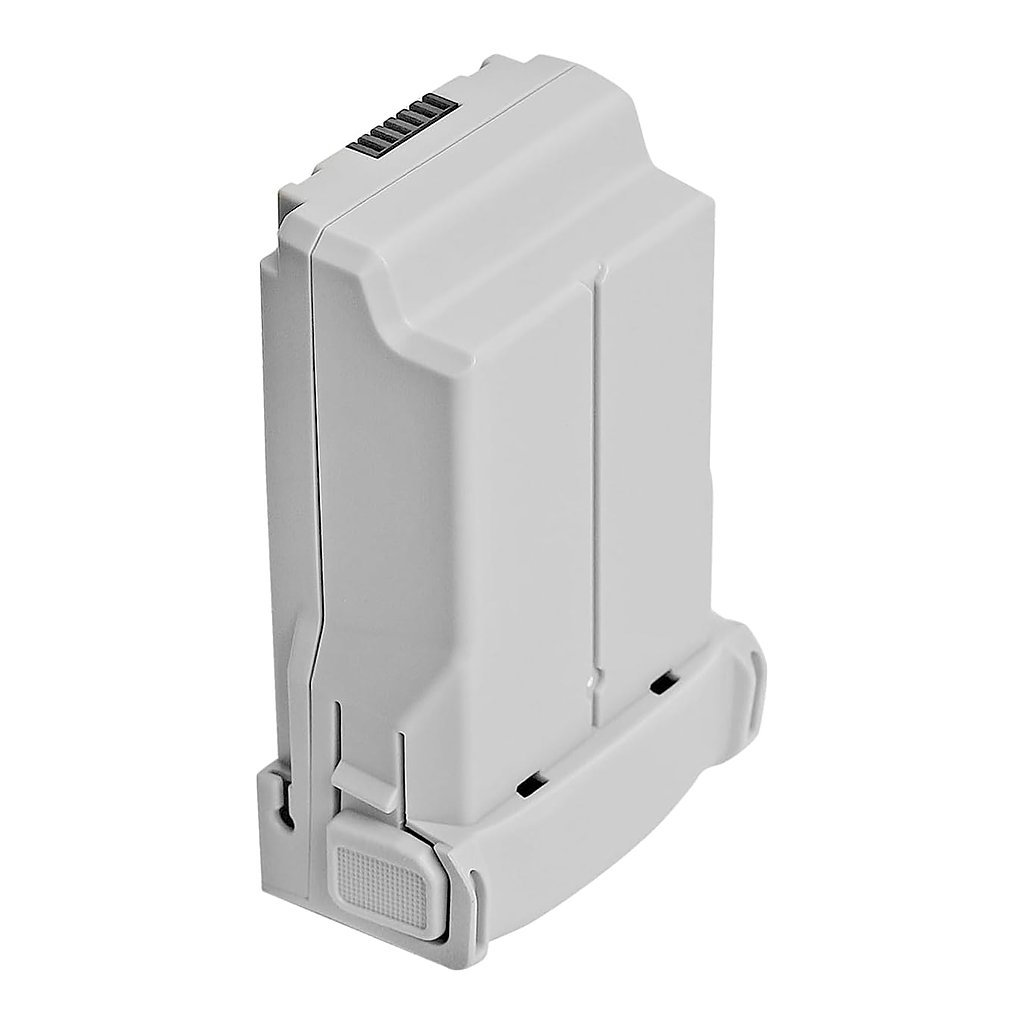
Mini 4 Pro Extended Battery
3850mAh · up to 45 min flight time
 Hot
100W Multi-Port Battery Hub
Charge 3 batteries simultaneously
 Universal
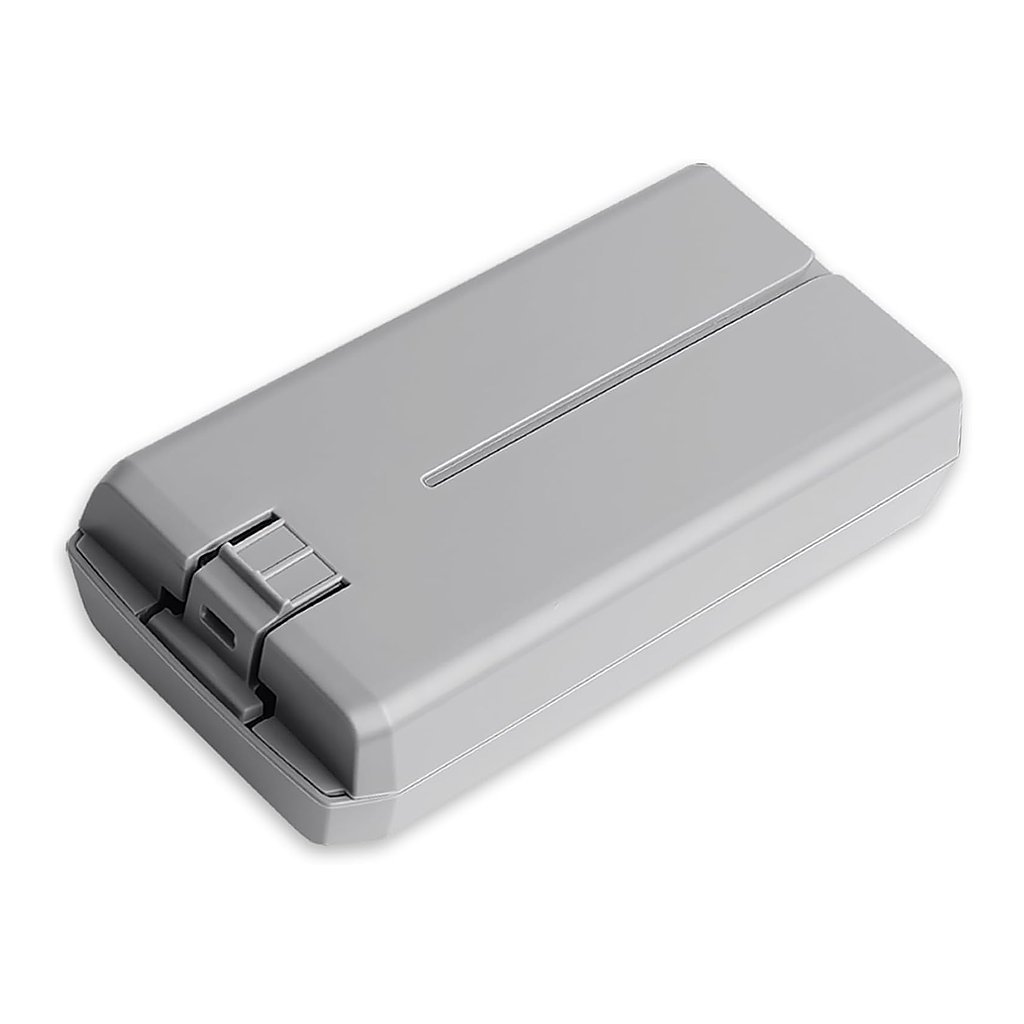
Mini 2 Universal Flight Battery
2400mAh · 31 min flight time
Frequently asked questions
Which DJI drones share the Mini 4 Pro battery format?
How much flight time should I expect from one pack?
Will a Mini 4 Pro pack fit my Mini 3 charging hub?
Get the next guide — and 15% off
One email when we publish something worth reading, plus a 15% code for your first order. Unsubscribe any time.